Tuberculosis (TB) is a serious infection that most often affects the lungs. Testing helps find TB early so you can get the right next steps and help protect others.
Whether you need TB screening for a new job, school requirements, healthcare work, travel, or peace of mind after a possible exposure, urgent care can be a fast, practical place to start.
In this guide, you’ll learn who should consider testing. You’ll also learn which tests may be available, like skin or blood. You’ll learn how to prepare for your visit. You’ll learn when to expect results. You’ll also learn what happens if a test is positive.
TB testing at urgent care: quick overview
- Walk-in convenience: Many clinics offer same-day visits.
- Common test options: TB skin test (PPD/Mantoux) and TB blood test (IGRA).
- Timing: Skin tests require a return visit in 48–72 hours for the reading; blood tests usually do not.
- Results and next steps: A positive screening test usually means you need a follow-up check. It does not always mean active TB disease.
Understanding Tuberculosis (TB)
TB is caused by the bacterium Mycobacterium tuberculosis. TB can be:
- Latent TB infection: You have TB bacteria in your body. You are not sick. You usually cannot spread TB to others.
- Active TB disease: You are sick, and TB can spread to others through the air (for example, coughing).
TB spreads through the air when a person with active TB in the lungs coughs, speaks, or sneezes. Testing is the most reliable way to know your status.
TB symptoms to watch for
TB symptoms can look like other illnesses. Seek medical care if you have symptoms such as:
- Persistent cough lasting more than three weeks
- Fever and chills
- Night sweats
- Unexplained weight loss
- Fatigue and weakness
Why early TB detection matters
- Start treatment sooner: Early care can reduce complications.
- Reduce spread: If you have active TB, get diagnosed quickly to protect your family, coworkers, and community.
- Clear answers: Testing helps separate TB from other causes of cough and fever.
Who should get TB testing?
Healthcare providers often recommend TB screening for people at higher risk or with specific requirements. You may need TB testing services if you:
- Have been in close contact with someone who has active TB
- Work or volunteer in settings with higher exposure risk (for example, healthcare, shelters, correctional facilities)
- Need testing for school, employment, or a health program
- Have a weakened immune system (your clinician can advise whether screening is appropriate)
- Traveled to or lived in areas where TB is more common
- Have symptoms that could be TB
TB testing urgent care services: what clinics typically offer
Many urgent care centers and TB screening clinic locations provide:
- Walk-in or same-day TB screening
- TB skin testing (PPD/Mantoux) and/or TB blood testing (IGRA)
- Clear instructions for follow-up, especially if a return visit is required
- Documentation for work or school, when available
Types of TB tests available
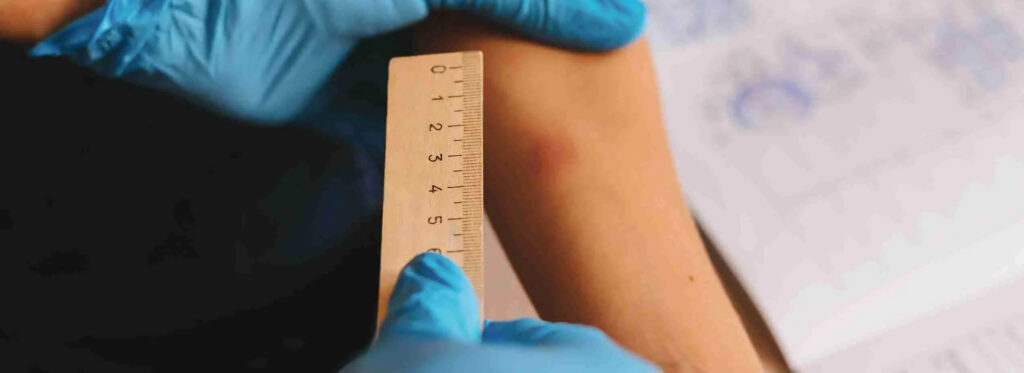
TB skin test (PPD/Mantoux test)
- What it is: A small injection under the skin of your forearm.
- What you do next: Return in 48–72 hours so a clinician can measure the reaction.
- Good to know: Some people need a two-step skin test (common for certain job requirements).
TB blood test (IGRA)
- What it is: A blood draw that measures your immune response to TB.
- Visits needed: Usually one visit only.
- Good to know: Often preferred for people who received the BCG vaccine, since it can reduce false positives seen with the skin test.
What to expect during your urgent care visit
- Check-in: Insurance, ID, and a brief medical questionnaire.
- Clinical review: Risk factors, symptoms, and the best test choice for your situation.
- Testing: Skin injection or blood draw.
- Instructions: When/how you’ll get results and what to do next.
How to prepare (patient-friendly checklist)
- Bring a photo ID and insurance card (if you have one)
- Bring any work/school TB testing form that needs to be completed
- Know your prior TB testing history (and whether you had the BCG vaccine)
- If getting a skin test, make sure you can return in 48–72 hours for the reading
Interpreting TB test results
Urgent care will help you understand what your result means. In general:
- Negative: TB infection is less likely. Your clinician may recommend repeat testing in some cases. For example, after very recent exposure.
- Positive: You may have a TB infection. You will likely need a follow-up check for active TB disease. This often includes a symptom review. It may also include imaging or other tests.
Benefits of choosing urgent care for TB screening
- Convenient hours (often evenings and weekends)
- Walk-in access and typically shorter waits than many traditional clinics
- Affordable options at our centers
- Clear documentation for employers and schools when required
Next steps after TB testing
- Follow all instructions about getting your results (and returning for a skin-test reading if needed).
- If you get a positive result, schedule a follow-up promptly and ask what additional evaluation your provider recommends.
- If you have symptoms (especially cough, fever, night sweats, or weight loss), tell the clinic right away.
Take charge of your health with convenient TB testing
If you need TB testing at urgent care for work, school, travel, or peace of mind, our visit can be fast and practical. Getting screened helps you protect your health and the health of those around you.